Skip to content

5 Screen-Free Activities That Actually Work

Learn from our expert on how to create screen-free activities at home using everyday items to keep your toddler engaged and learning.

Donna Quiroz March 30, 2026
  • Early Learning and Care
  • Family Engagement
  • Blog
  • Resource

Every parent has been there: you need 15 minutes to cook dinner, answer emails, or simply catch your breath. The tablet is right there. But what if there were alternatives that actually kept your toddler engaged using items you already have at home?

At Start Early, we work with families every day to find realistic solutions to screen time challenges. Donna Quiroz, our family engagement supervisor at Educare Chicago, shares five tried-and-true activities that actually work at home:

Stay Connected

Sign up to receive news, helpful tools and learn about how you can help our youngest learners.

Sign Up for Email
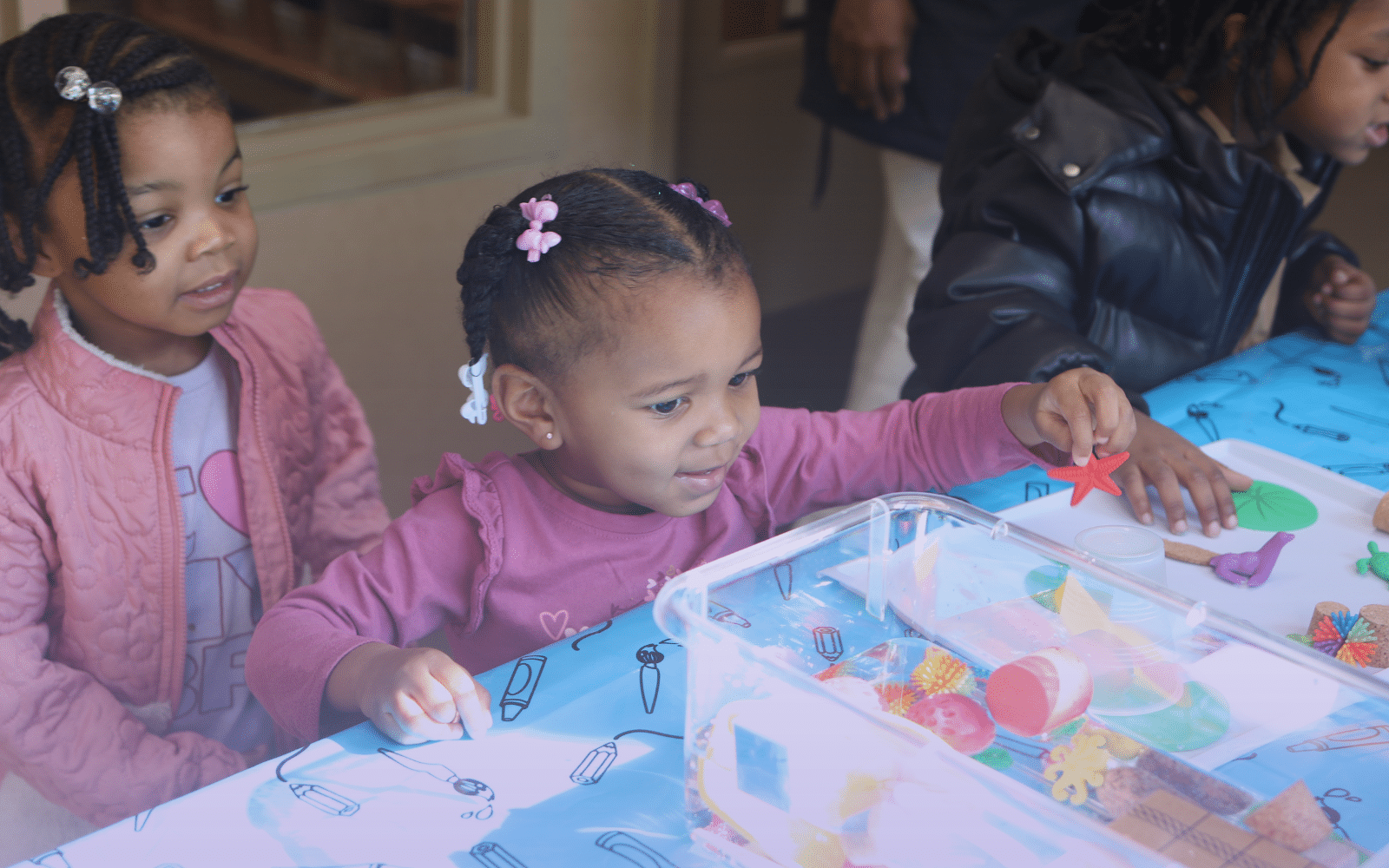
  1. Sensory Bins
    Fill a plastic container with dry rice, beans, or pasta. Add measuring cups, spoons and small toys. This quiet activity develops fine motor skills and keeps toddlers exploring textures and cause-and-effect while you tackle your task list.
  2. Block Building
    Wooden blocks, LEGO Duplo or even cardboard boxes offer infinite possibilities. “There are endless ways they can problem-solve how to stack them,” Donna notes. This builds spatial awareness, patience and creativity—no instructions needed.
  3. Helper Tasks
    Let your child “help” you cook by washing vegetables, stirring batter or sorting silverware. “This helps them feel like part of the family and builds independence,” Donna explains. Plus, they stay close to you, which reduces anxiety.
  4. Sorting Games
    Old Tupperware, socks or utensils can all be sorted by color, size or type. These activities teach categorization, focus and following patterns which are foundational skills for early learning.
  5. Simple Water Play
    A plastic bin with an inch of water, cups and sponges creates 20 minutes of engaged play. (Pro tip: Do this activity in the kitchen for easier cleanup.)

Remember that young children do not have huge attention spans.

The true key to success is setting the right expectations. If your 2-year-old stays engaged for five minutes, celebrate that. Over time, their focus will naturally extend as their brain develops.

These activities aren’t about perfection, they’re about giving your child opportunities to explore, problem-solve and build the skills that screens can’t teach. Start Early is here to support you with practical strategies that fit your family’s real life, not an idealized version of it.

About the Author

Donna Quiroz

Family Engagement Supervisor

Donna Quiroz, LCSW, is a family engagement supervisor, specializing in perinatal mental health, infant and early childhood mental health and trauma-informed care for children & families.

More About Donna

More Like This

Take action icon

Take Action

Raise your voice and encourage lawmakers to prioritize early learning and care at the local, state and federal level.

Make an Impact

Support Our Work icon

Support Our Work

Together, when we start early, we can close the opportunity gap and ensure every child has a chance to reach their full potential.

Give Now

Resources for families icon

Resources for Families

Discover educational activities and resources from Start Early experts to provide easy and engaging educational experiences with your child.

Learn More

Stay Connected

Sign up to receive news, helpful tools and learn about how you can help our youngest learners.

Sign Up

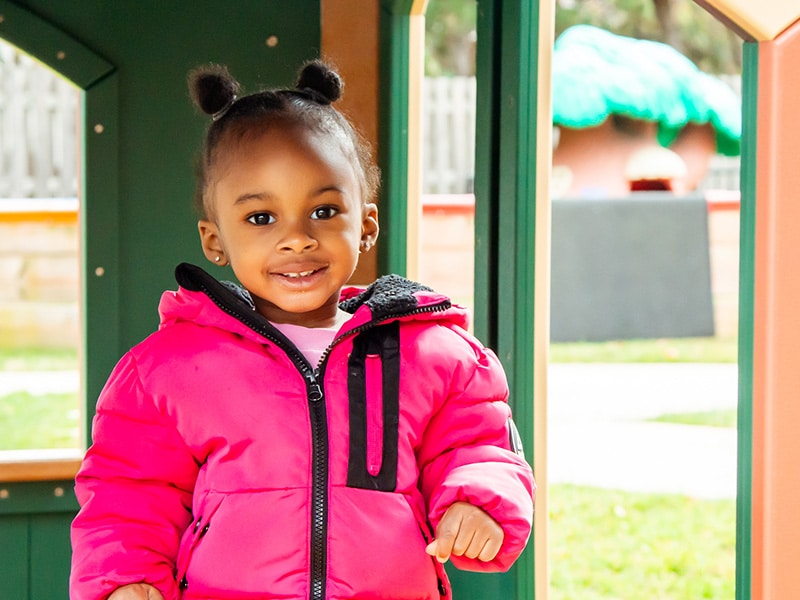
Little girl playing in playhouse outside learning center