When you hold your newborn close for feeding, something remarkable is happening beyond nutrition. Every feeding session is an opportunity for brain development, emotional connection and cognitive growth. Sandra Adan, a birth and postpartum doula at our Healthy Parents & Babies program with over ten years of early childhood experience, shares insight on the connection between breastfeeding and brain development from her work with families.

How Breastfeeding Supports Your Baby’s Brain Development
Explore the link between breastfeeding and brain development. Learn how feeding nurtures cognitive growth in your child from our expert.
Why This Matters
At Start Early, we know that the first five years shape a child's future, and brain development begins at birth or even before. Understanding how breastfeeding supports cognitive development empowers families to make informed feeding choices and recognize the powerful role they play in their child's early learning journey.
The Brain-Building Connection
From the very first feeding, breastfeeding supports cognitive development. That golden colostrum your body produces contains essential nutrients that jumpstart brain growth. DHA (docosahexaenoic acid), a crucial fatty acid in breast milk, directly supports brain structure and function. This builds the neural pathways your baby will use for learning, memory and problem-solving throughout life.
But the benefits extend beyond milk composition. Each feeding session provides sensory experiences that build neural connections. When your baby makes eye contact during feeding, roots toward the breast using their sense of smell or responds to your voice, their brain is actively developing the cognitive and social-emotional skills we recognize as foundational for kindergarten readiness and beyond.
What Parents Need to Know
The most common question we hear from families is: “Is my body making enough milk?” This concern often stems from seeing babies feed frequently, sometimes every hour or two.
Here’s the truth: newborns have stomachs the size of a marble and are designed to feed often. This frequent feeding isn’t a problem; it’s exactly what supports optimal brain development.
Breastfed babies digest milk faster than formula-fed babies, so they wake more often. This is healthy and normal. Each feeding provides not just nutrition but also opportunities for the responsive interactions that build secure attachments and cognitive skills.
You can observe brain development in real-time. Watch for your baby’s rooting reflex as they turn toward the breast, eye contact during feeding, early cooing and babbling and their growing ability to recognize and find the breast independently. These are milestones showing cognitive growth in action.
This knowledge is especially crucial for families in communities left under-resourced who may not have access to lactation support or comprehensive prenatal education. By providing this information, we help close the opportunity gap from day one.
Whether you breastfeed for one day or two years, whether you supplement with formula or exclusively formula feed, you’re supporting your child’s development. What matters most is responsive, loving care which is the foundation of healthy brain development and the core of Start Early’s approach to early childhood.
Resources
Skin‐to‐skin contact the first hour after birth, underlying implications and clinical practice
The Prenatal Period | Better Brains for Babies
Nutrition and brain development in early life
Your Baby’s Amazing Brain- Parents As Teachers Currriculum
Prenatal Exposures to Environmental Chemicals and Children’s Neurodevelopment: An Update
New Research Traces Breastfeeding Benefits 10 Years Into Childhood
WIC-Women Infant Children:
Illinois Department of Human Services FAQ
About the Author
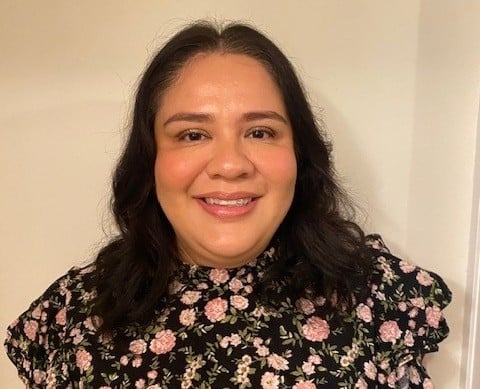
Sandra Adan
Bilingual Doula/Home Visitor
Sandra Adan CD(DONA) is a bilingual doula who has been with Healthy Parents & Babies for two years. For over a decade she worked in the early childhood classrooms, and most recently certified as a Birth Doula through DONA International.
More Like This

Take Action
Raise your voice and encourage lawmakers to prioritize early learning and care at the local, state and federal level.

Support Our Work
Together, when we start early, we can close the opportunity gap and ensure every child has a chance to reach their full potential.

Resources for Families
Discover educational activities and resources from Start Early experts to provide easy and engaging educational experiences with your child.