
Misinformation about breastfeeding creates unnecessary stress for new parents during a time when they’re already navigating enormous change. At Start Early, we believe families deserve accurate, evidence-based information that empowers confident decision-making about their child’s early development. Sandra Adan CD(DONA), a birth and postpartum doula at our Healthy Parents & Babies program with over ten years of early childhood experience separates fact from fiction about breastfeeding and brain development.

5 Myths About Breastfeeding Every New Parent Should Know
Debunk breastfeeding myths with expert advice and find the truth that empowers your parenting journey and child’s development.
Myth: Breastfeeding Is Supposed to Hurt
Reality: While some discomfort is normal as you and your baby learn, proper latching shouldn’t cause a lot of pain. If you’re experiencing significant pain, it’s a sign you need support, not that you should push through it. Lactation consultants, often covered by Medicaid and available at hospitals, can help you achieve comfortable, effective feeding. Pain isn’t a badge of honor; it’s a signal that adjustment is needed.
Myth: I Need to Breastfeed for Two Years to See Benefits
Reality: While the World Health Organization recommends two years and the American Academy of Pediatrics recommends six months, even one feeding provides developmental benefits. That first colostrum alone delivers powerful nutrients for brain development. Every bit of breast milk supports your baby’s cognitive growth, so whatever duration works for your family offers real value.
Myth: If My Baby Wakes Frequently, I'm Not Producing Enough
Reality: Breast milk digests quicker than formula, so frequent waking is actually a sign of healthy, normal feeding and not insufficient milk production. Those frequent feedings also create multiple daily opportunities for the responsive interactions that build secure attachment and support cognitive development during those critical first five years Start Early focuses on.
Myth: Formula Can't Support Brain Development Like Breast Milk
Reality: Modern formulas contain DHA and other nutrients specifically designed to support cognitive growth. While breast milk offers unique benefits, formula-fed babies develop beautifully when feeding includes responsive care, eye contact and loving interaction that truly build brains. How you feed matters just as much as what you feed.
Myth: Breastfeeding Is Instinctual, I Should Just Know How
Reality: Breastfeeding is a learned skill for both parents and babies. It requires practice, patience and often support. There’s no shame in needing help and accessing resources like WIC breastfeeding peer counselors or lactation consultants isn’t a sign of failure; it’s smart parenting.
Why This Matters
These myths create barriers to successful feeding experiences and can undermine parent confidence during a crucial developmental window. At Start Early, our work with families living in under-resourced communities has shown us that access to accurate information dramatically changes outcomes. When parents understand what’s normal, what’s myth and where to find support, they’re empowered to make choices that work for their unique situation.
The first five years shape a child’s future, and that future begins with informed, confident parents who have the resources they need to support their baby’s development from day one.
Take Action
If you’re navigating feeding decisions, Start Early’s resources can help. Connect with your healthcare provider, local WIC office or explore our family resources. Share this post with an expecting parent who might benefit from evidence-based information about breastfeeding and brain development.
About the Author
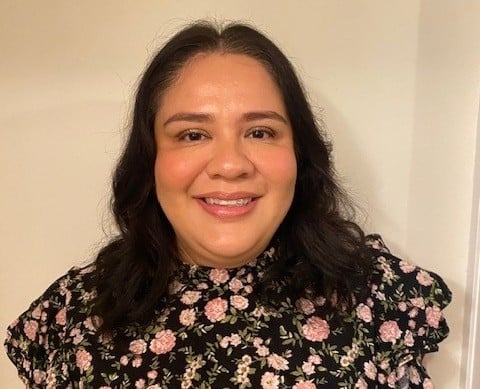
Sandra Adan
Bilingual Doula/Home Visitor
Sandra Adan CD(DONA) is a bilingual doula who has been with Healthy Parents & Babies for two years. For over a decade she worked in the early childhood classrooms, and most recently certified as a Birth Doula through DONA International.
More Like This

Take Action
Raise your voice and encourage lawmakers to prioritize early learning and care at the local, state and federal level.

Support Our Work
Together, when we start early, we can close the opportunity gap and ensure every child has a chance to reach their full potential.

Resources for Families
Discover educational activities and resources from Start Early experts to provide easy and engaging educational experiences with your child.