Skip to content
Start Early Family

Building Stronger Early Childhood Systems

Start Early Consulting Director Judy Reidt-Parker shares how better coordination across funding, policies and decision-making can strengthen early childhood systems by reducing administrative burdens on providers and allowing more time to focus on what matters most: supporting children and families.

Judy Reidt-Parker October 16, 2026
  • Innovation
  • Policy and Systems
  • Blog

Families should experience early learning and care as a connected system of support, not a collection of separate programs. Yet, when programs rely on different funding sources, agencies and requirements, coordinating services can become complicated for both families and the professionals who serve them.

For Judy Reidt-Parker, improving early childhood systems has been a thread throughout her career, from her first job as a nursery school teacher in a parent cooperative to her current role today, as a director of Start Early Consulting.

“I’ve always been thinking about the systems that are in place that either help or hinder a family’s progress or stability,” Judy said.

Early childhood systems encompass the programs, services, funding, and policies that support children and families. When these pieces work together effectively, families can more easily access the support they need.

When these systems are disconnected, families can face confusing processes, gaps in service, or difficulty finding the right support. Providers can face similar challenges, spending time navigating different requirements instead of working directly with families.

“Children and families are the strength of any community, of any culture, of any society,” she said.

Today, Judy works with state and community leaders across the country to strengthen the systems serving young children and families, with a focus on early childhood funding, policy, and advocacy strategy.


Looking Beyond Funding

Boy in playground

During the National Home Visiting Summit, Judy presented alongside Start Early colleague Megan Turner, Cara Copeland of Stately Pine Consulting, and Callie Lambarth from the Center for Coordinating Oregon Home Visiting Systems (CCOHVS). Together, they shared lessons learned from efforts to build a more coordinated and inclusive home visiting system in Oregon.

Oregon’s home visiting programs navigate multiple agencies along with federal, state, local and philanthropic funding sources. That complexity can leave local home visitors responsible for combining different funding streams to meet the needs of their communities.

“No one funding stream really meets the needs of a given community,” Judy said. “You have to do all of this work at the local level, and that’s a pretty big administrative burden when these folks [home visitors and program leadership] really are meant to be focused on giving quality services and programs to children and families.”

Start Early’s work with CCOHVS initially explored approaches to coordinating home visiting funding, but it quickly became clear that funding was only part of the conversation.

“Funding is the fuel for the rest of the system,” Judy said.

The work has since expanded to consider how to better coordinate the home visiting system, what should be centralized at the state level, and what must be determined locally. The work is bringing together implementers, regional and local partners, and agency representatives to develop recommendations for a more coordinated system.

Creating More Space to Serve Families

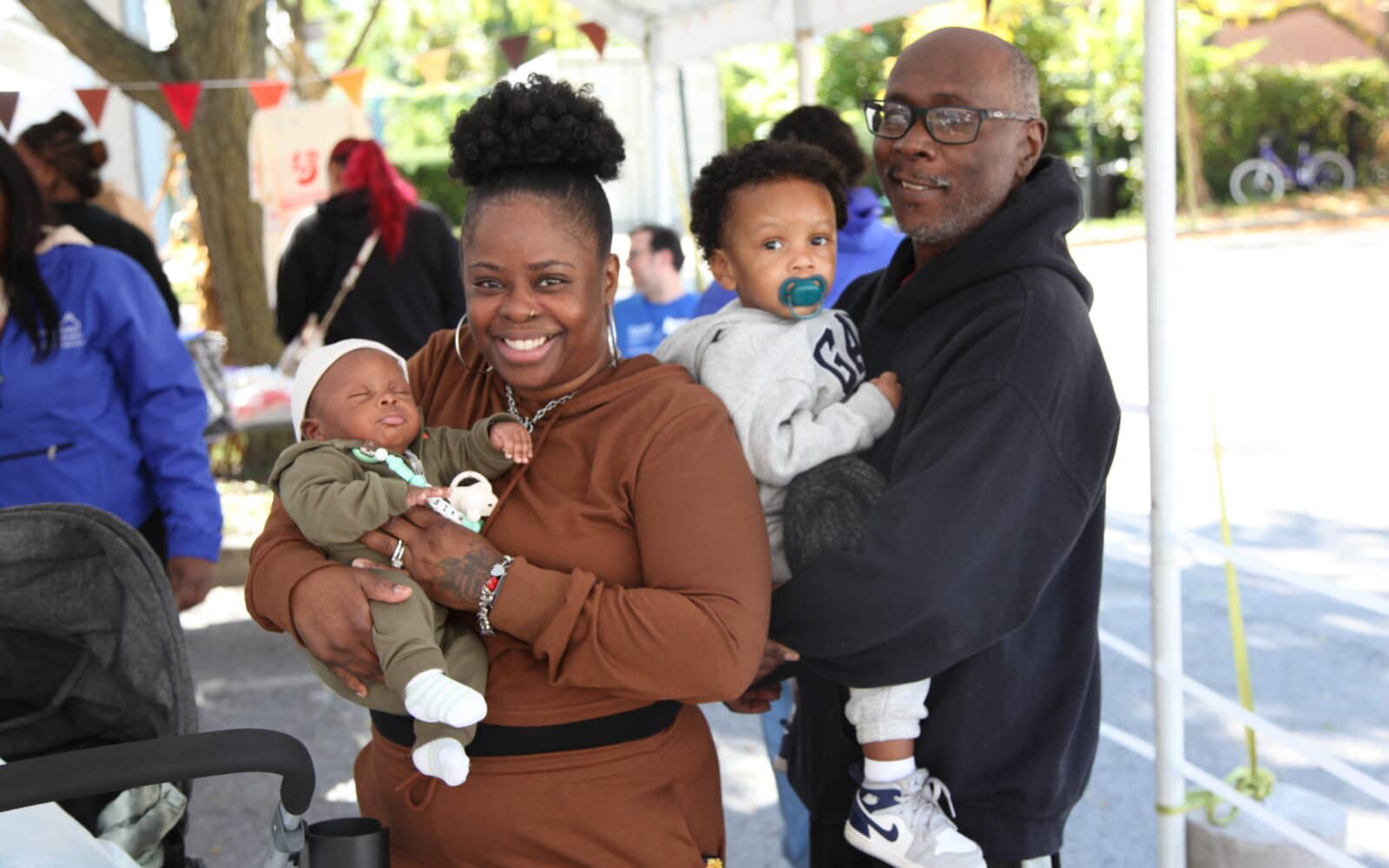
Educare Fall FestFor Judy, strengthening the early learning and care system also means reducing unnecessary administrative burdens on the people who are delivering services.
A home visiting program supported by several funding streams, for example, may have to enter similar information into multiple data systems. Practitioners at the National Home Visiting Summit shared how these cumbersome requirements affect their work.

“Home visitors are definitely thinking about systems,” Judy said. “They’re thinking about how these challenges come down on them.”

Stronger systems create conditions for programs to operate more effectively, creating better working experiences and conditions for the professionals in the field.

“The administrative work of braiding funding should happen at the state level so that the people at the local level can focus on delivering high-quality services to families,” she said.

This work in Oregon reflects Start Early’s broader approach to strengthening early childhood systems alongside the people who know them best. Through partnerships with public sector leaders, providers, families and communities, Start Early works to improve how early childhood systems are designed and implemented so providers can focus on what matters most: helping children and families thrive.

About the Author

JRP Headshot

Judy Reidt-Parker

Director, Start Early Consulting

Judy is a director on the Start Early Consulting team providing support to public sector leaders and advocates with a particular focus on mixed early childhood delivery systems child care policy, early childhood funding and advocacy strategy.

More About Judy

Consulting Icon

Consulting

Together designing high-quality inclusive early childhood systems.

Learn More

Take action icon

Take Action

Raise your voice and encourage lawmakers to prioritize early learning and care at the local, state and federal level.

Learn More

Stay Connected

Sign up to receive noteworthy developments in state and federal early childhood news, policy trends and stories highlighting work across our network.

Sign Up