Skip to content
Educare Chicago STEAM Week

Big Questions, Bright Ideas

Start Early Vice President of Research & Evaluation Amanda Stein, Ph.D., shares how asking questions, learning from families, working side by side with practitioners and policy partners and putting research into practice can strengthen early childhood programs and shape the future of early learning and care.

Amanda Stein November 8, 2026
  • Policy and Systems
  • Research
  • Blog

Every Great Discovery Starts with a Question
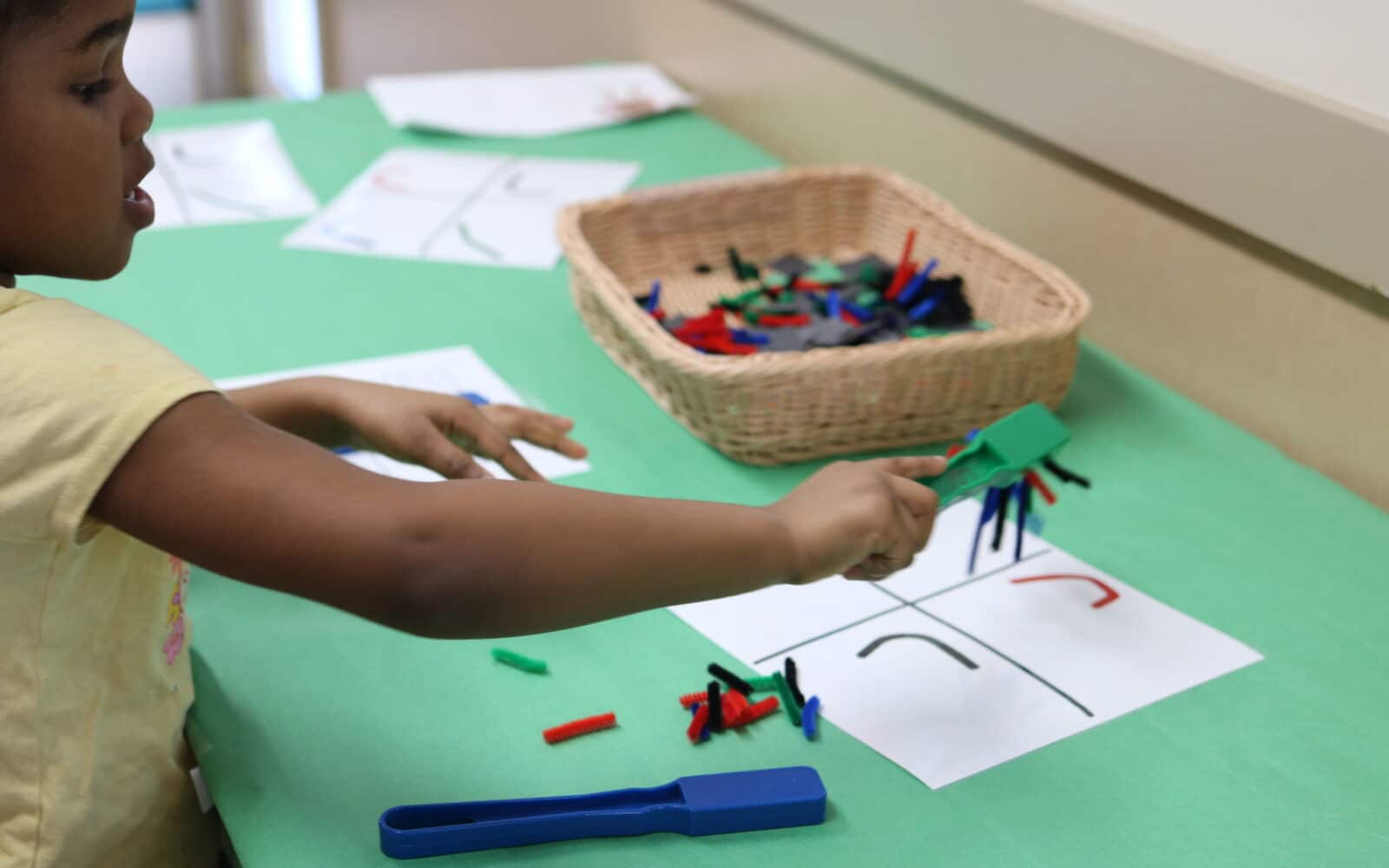
Educare Chicago STEAM Week

What happens when we get curious? In early childhood, questions can lead to big discoveries. Much like a young child that explores the world around them by asking, “why?” over and over again, researchers are driven by curiosity, observation and a love of investigating how things work or could work better.

At Start Early, we ask questions and find answers rooted in the experiences of the children, families, practitioners and communities we work with. Questions that emerge from the programs we directly operate or support help guide research, and the findings help us develop innovations to create better learning environments or address common challenges in the field of early care and education. This research cycle also strengthens our ability to work with partners to advance early childhood policy and improve systems meant to support children and families.

Asking Good Questions Together

When Amanda Stein, vice president of research & evaluation, joined Start Early in 2011, her work took her to Educare Chicago. She was committed to figuring out how research and data could be more accessible and useful to educators and program leaders working directly with children and families.

“How can we do research in a way that feels mutually beneficial, so that the research is being done alongside our communities?” Amanda reflected.

That question helped shape an approach that continues to guide Start Early’s research-practice-policy partnerships (RP3s) today, where researchers, educators and policy partners work together to ask meaningful questions, learn from evidence and turn discoveries into action that strengthens programs and systems. An RP3 sounds technical, but the idea is simple. The people who study a question and the people who live it everyday decide together which questions are worth asking, interpret the information together and agree on what to try or ask next. All partners are considered experts. The same approach works for guiding improvements in daily classroom practices and tackling bigger challenges many families, programs, or communities are experiencing.

Turning Findings into Program Improvements

Educare Chicago STEAM Week

For example, at Educare Chicago, Start Early conducted a longitudinal study following children and families as they transitioned into kindergarten and beyond.

Through interviews with families, conversations with educators and data collection, researchers explored how parents remained engaged in their children’s education, selected schools and navigated the transition to kindergarten.

“We took the findings back to the educators so they could consider what adjustments might be needed for their programming and practices for current students and the next cohorts of children and families that would be experiencing the program,” Amanda said.

This study helped educators and program leaders reflect on their practices and identify opportunities for improvement, both in the classroom and in the support provided for families at home. The ongoing exchange also helped identify new questions and improvements for the team to explore. This back-and-forth is an RP3 in action – with findings reaching the people best positioned to act on them and what they learn shaping the next round of questions and exploration.

Research Outcomes Inform Systems Change

Educare Chicago STEAM Week

We are constantly adapting and asking ourselves whether we are reaching the children who need us most and whether there is more to do. The lessons learned through our programming and research inform Start Early’s broader systems change work.

Because Start Early operates at the intersection of direct service, policy and research, our expertise helps us identify where to apply our findings more broadly.

“The fact that we have this trifecta approach under one roof and in one collective at Start Early is really an incomparable value proposition,” Amanda said.

For example, Start Early has worked with research partners to examine how preschool policies influence access to early learning opportunities. By studying how policies affect enrollment, access and outcomes for children and families or conditions for the early childhood workforce, we can provide policymakers and systems leaders with data and evidence to help identify opportunities to strengthen early childhood systems.

“First and foremost, we want our insights and work to be helpful, meaningful and relevant to our practice and policy partners,” Amanda said.

From improving programming at Educare Chicago to informing broader policy conversations, Start Early’s research is part of a continuous learning loop connecting practice, evidence and innovation. By bringing these work streams together, we can build early childhood programs that are responsive, inclusive and effective in meeting the needs of children and families.

Learn more about Start Early’s research and evaluation work.

About the Author

Amanda Stein

Vice President, Research & Evaluation

Amanda Stein, Ph.D conducts research on policies and practices that support access to high quality early care and education (ECE) programming and promotes positive outcomes for children, their families, and the essential early childhood workforce. 

More About Amanda

Contact Us

Connect with our team to learn more about our work or discuss how we can support policy and advocacy work for your organization.

Email Our Team

Take action icon

Take Action

Raise your voice and encourage lawmakers to prioritize early learning and care at the local, state and federal level.

Learn More

Let's talk icon

Stay Connected

Stay up to date on early childhood policy issues and how you can take action to ensure all children have access to quality early learning and care in Illinois.

Sign Up